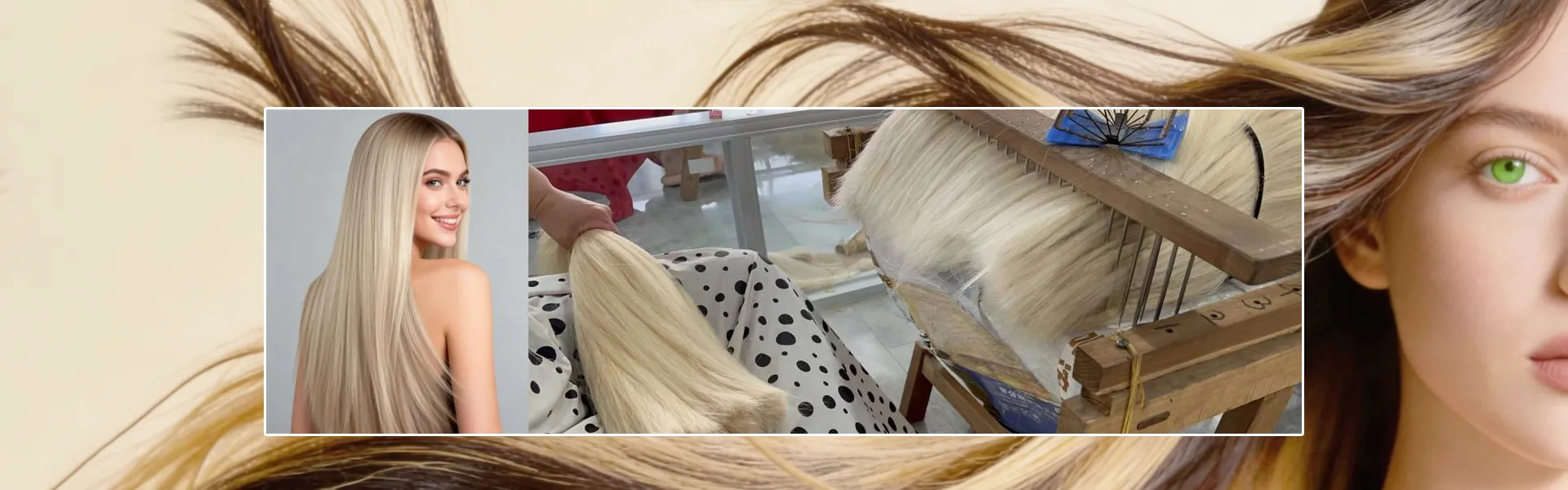
Tape in vs Clip in Hair Extensions vs Hand Tied Weft
When comparing different hair extensions, keywords like “Clip in vs Tape in Hair Extensions,” “Tape in vs Clip in Hair Extensions,” and “Clip in Hair Extensions vs tape in” are among the most searched by clients and wholesale buyers. Each hair extensions method differs in application, comfort, longevity, and target users. Tape in extensions are designed for longer-term, seamless salon wear, while clip in extensions focus on flexibility and quick, DIY styling.Hand Tied Weft is suitable for thick,coarse hair. Understanding these key differences helps buyers and hair extensions brands choose the right solution for different market needs and customer preferences.
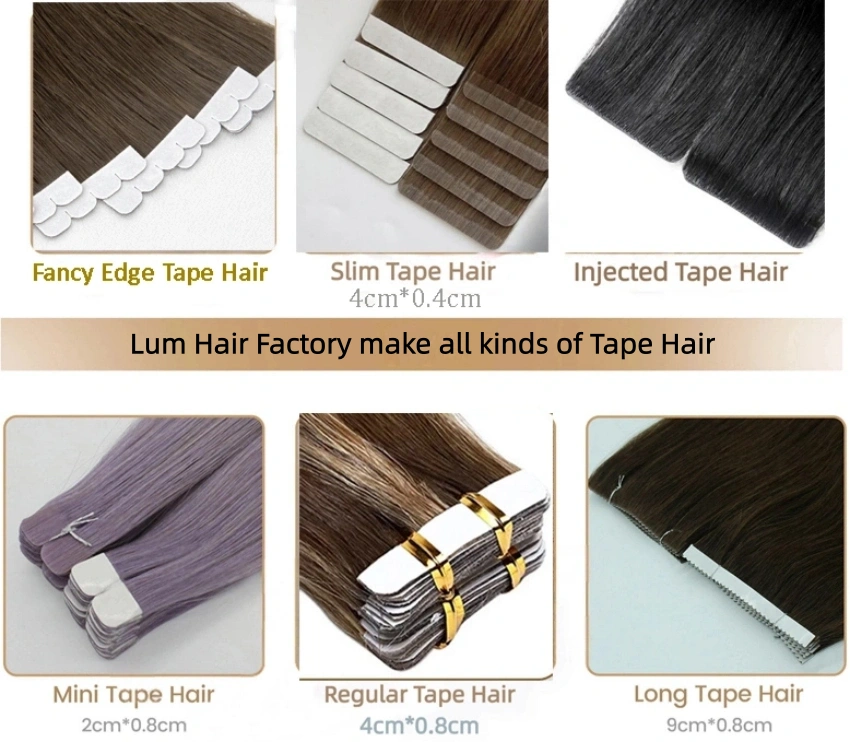
Tape in Weft Hair Extensions
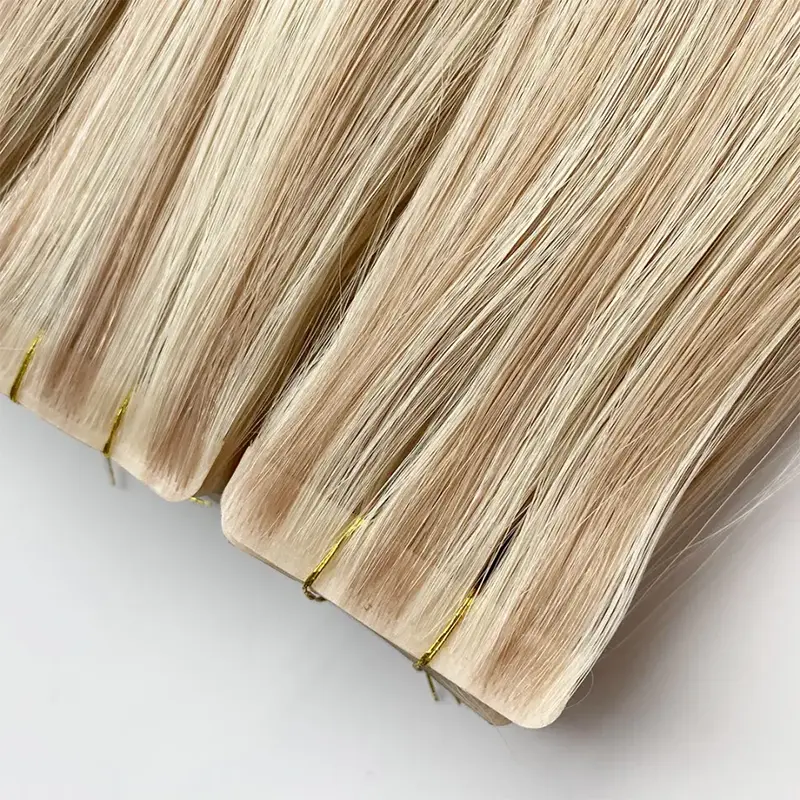
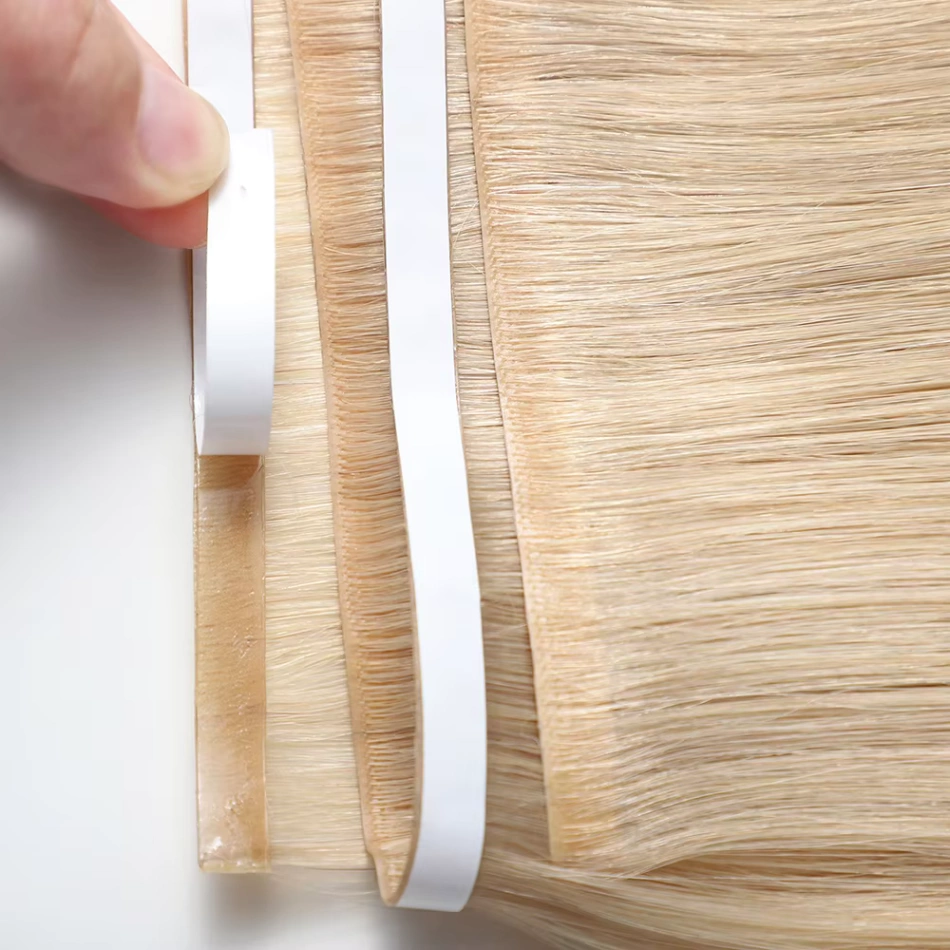
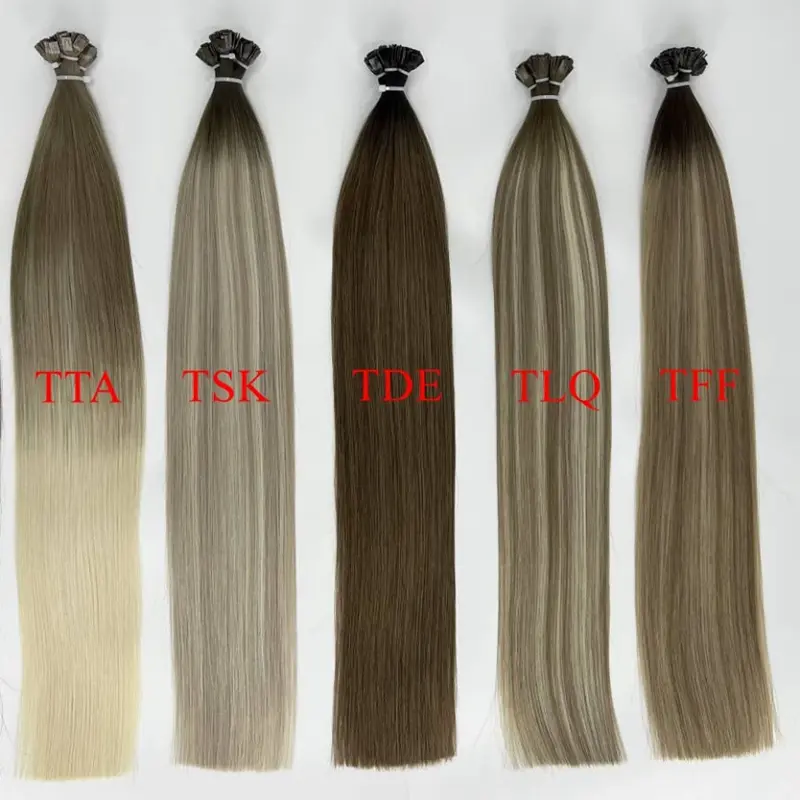
When it comes to hair extensions, tape ins are quickly becoming the go-to choice for many salons and clients alike. Wefts coated with polyurethane, each fitted with double-sided tape (4cm*0.8cm or 4cm*1cm), are placed on both sides of the wearer's natural hair—effectively sandwiching their strands between two pcs of tape hair for a secure hold.
Budget: $100 – $2,000
Pricing for tape in extensions isn't fixed; it fluctuates based on a few key factors: the brand you choose, the type of hair used (human remy vs human vs synthetic), the stylist's application charge, and how many grams are needed for the desired look.
| Pros | They're hands down the safest hair extension option out there. The weight of each piece is spread out over a larger area of the scalp, so there's no unnecessary pull or damage to the client's natural hair. |
| Application is super fast, too. For a volume boost, you're looking at 10 to 30 minutes; a full-length application takes around 40 to 60 minutes—perfect for busy salons. | |
| These extensions are reusable, and each application can last 6 to 8 weeks. That timeline lines up nicely with most clients' regular salon visit schedules, which is a big plus. | |
| Visually, they're one of the most natural-looking options. Clients won't have to worry about obvious tracks or bonds showing through. | |
| Comfort-wise, they're hard to beat—wearers barely notice they have them in. | |
| No heat or special tools are needed to apply them, which keeps the process simple and gentle on natural hair. | |
| Hairdressers pick up this method quickly, and that ease of learning translates to happier clients (since stylists can perfect the application faster). | |
| Key Notes | For the first 24 to 48 hours after application, clients can't wash their hair or sweat too much. The adhesive needs that time to fully set and stick to the hair properly—cutting that short leads to slipping. |
| If clients use any silicone or oil-based products directly on the tape adhesive, it can break down the bond and make the hair slip out. | |
| Use strong and water-proof medical grade tape when you're reapplying the extensions | |
| Maintenance |
Tell clients to steer clear of silicone or oil-based products near the hair roots. They should brush their hair every day, starting from the roots and working their way down to the tips. Styling can be done just like with natural hair-Heat tools don’t be too close to the adhesive |
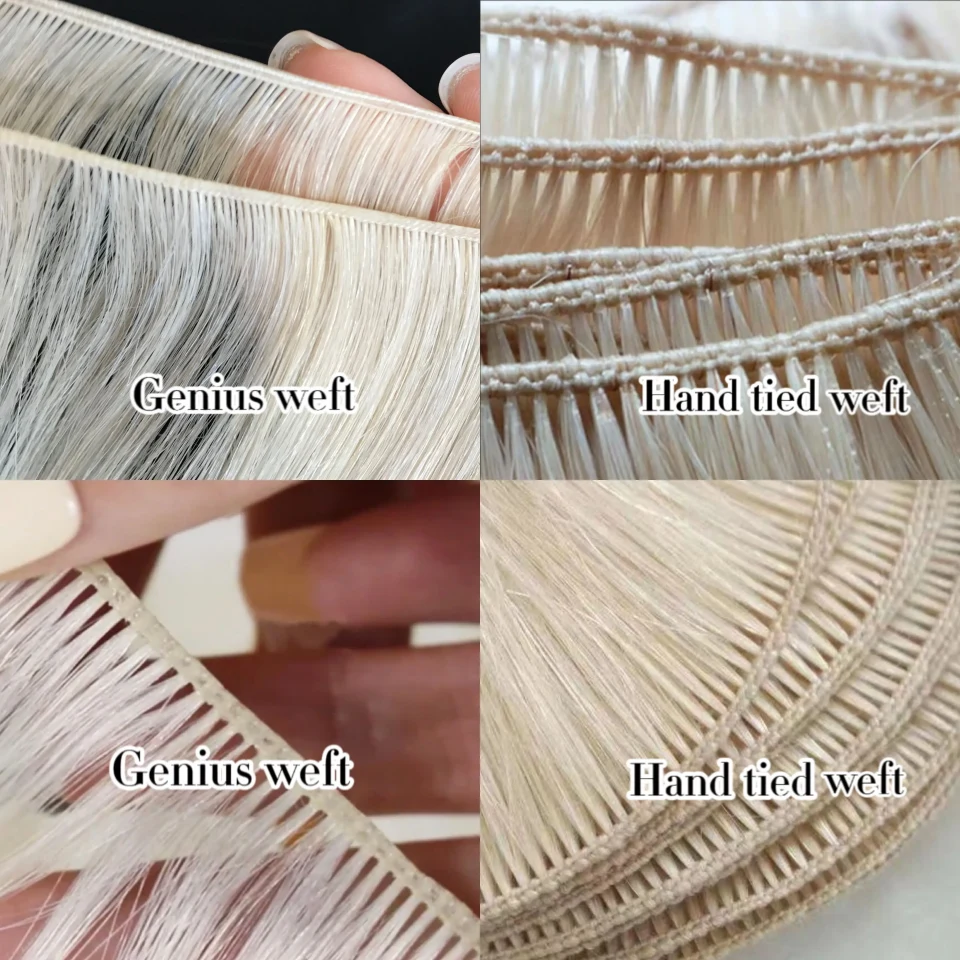
Hand-Tied Extensions
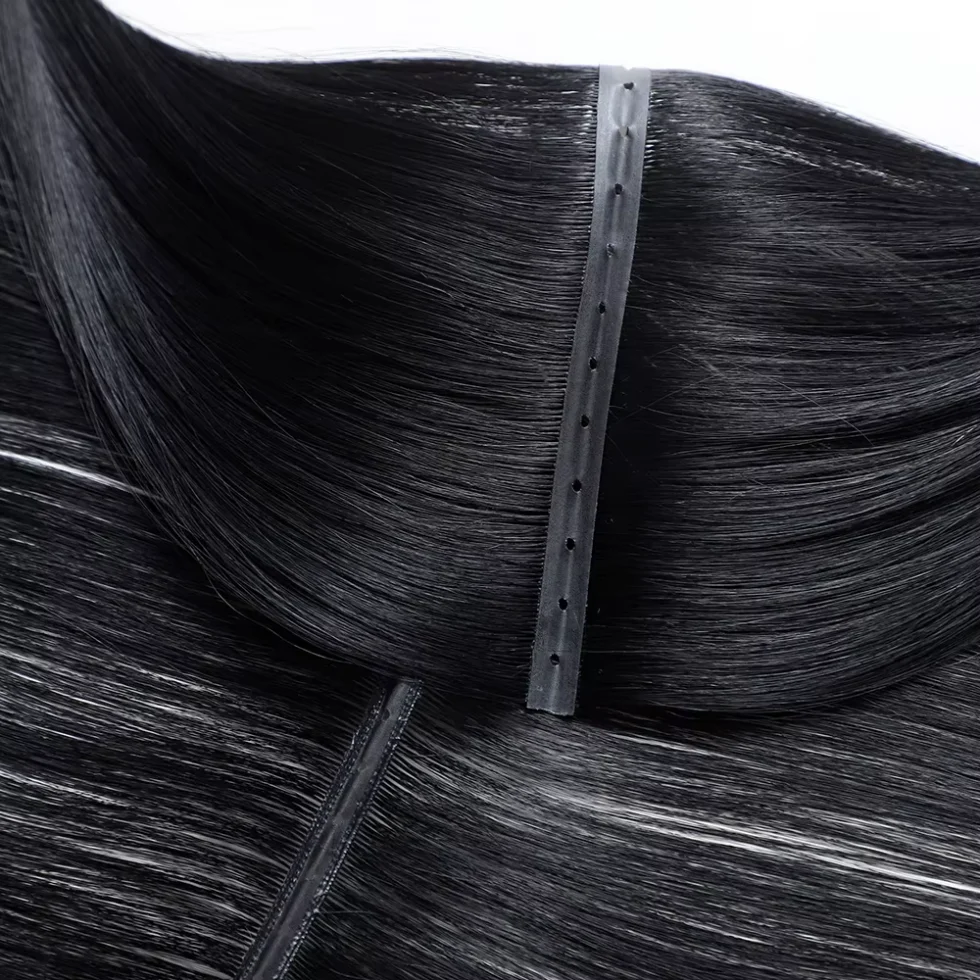
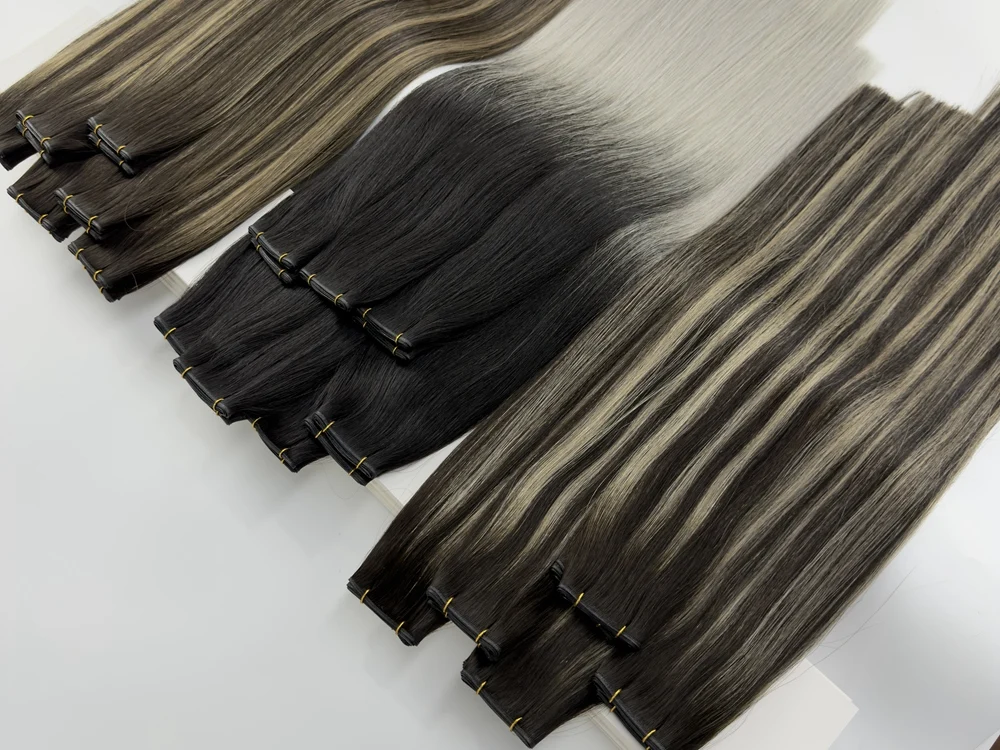
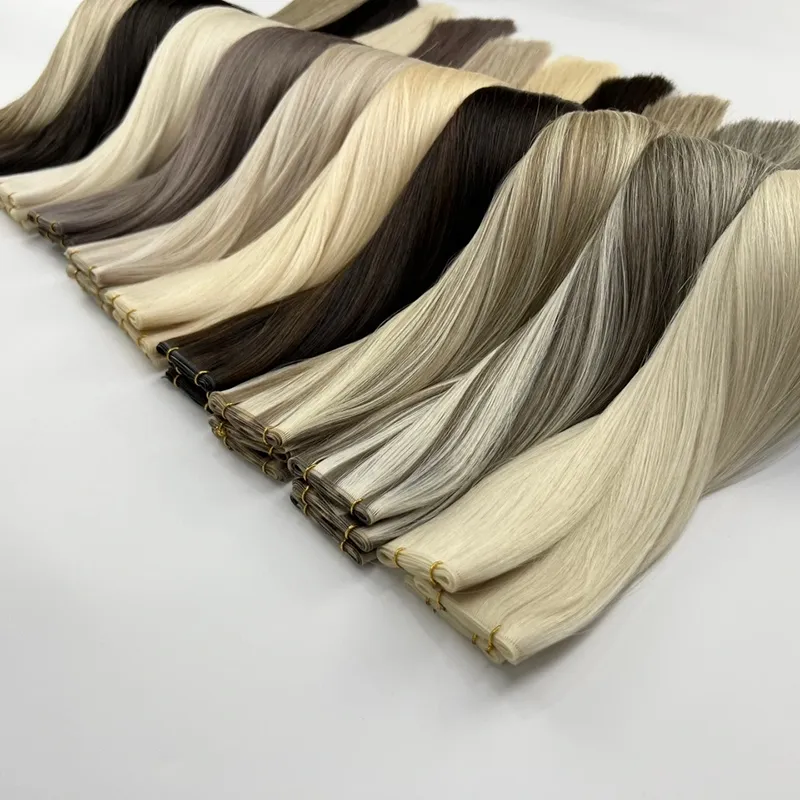
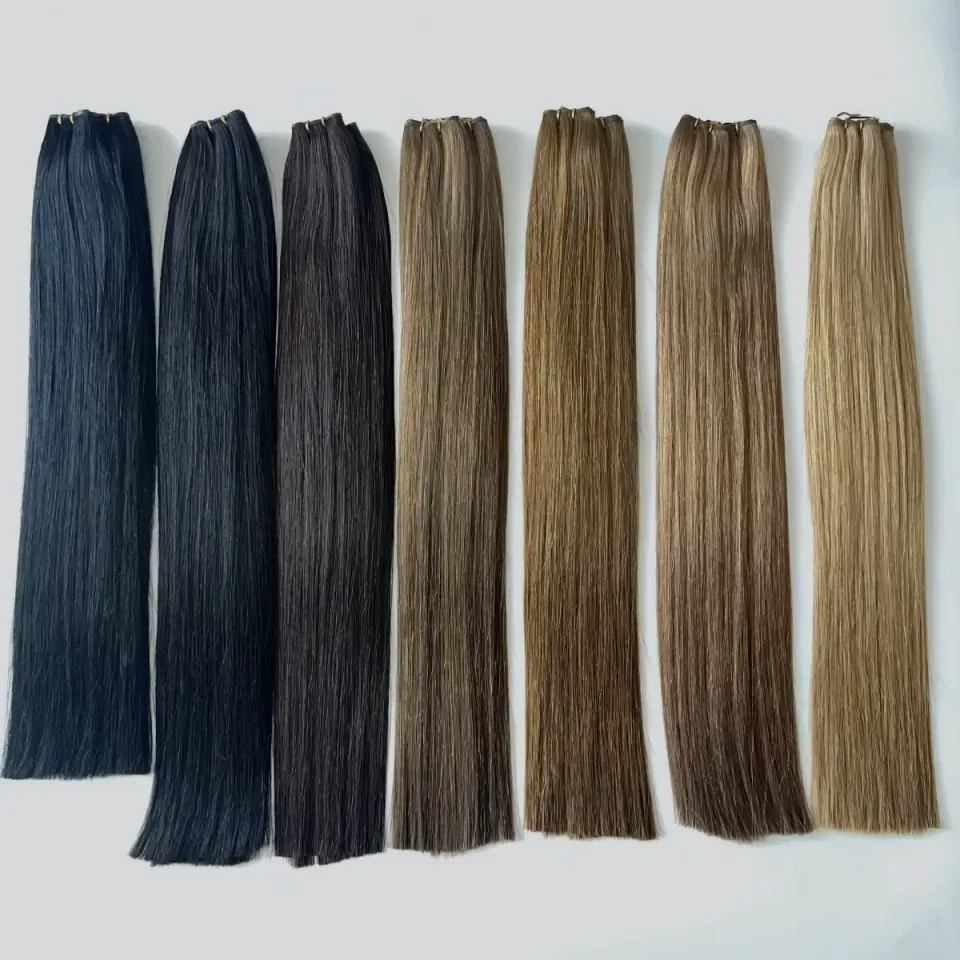
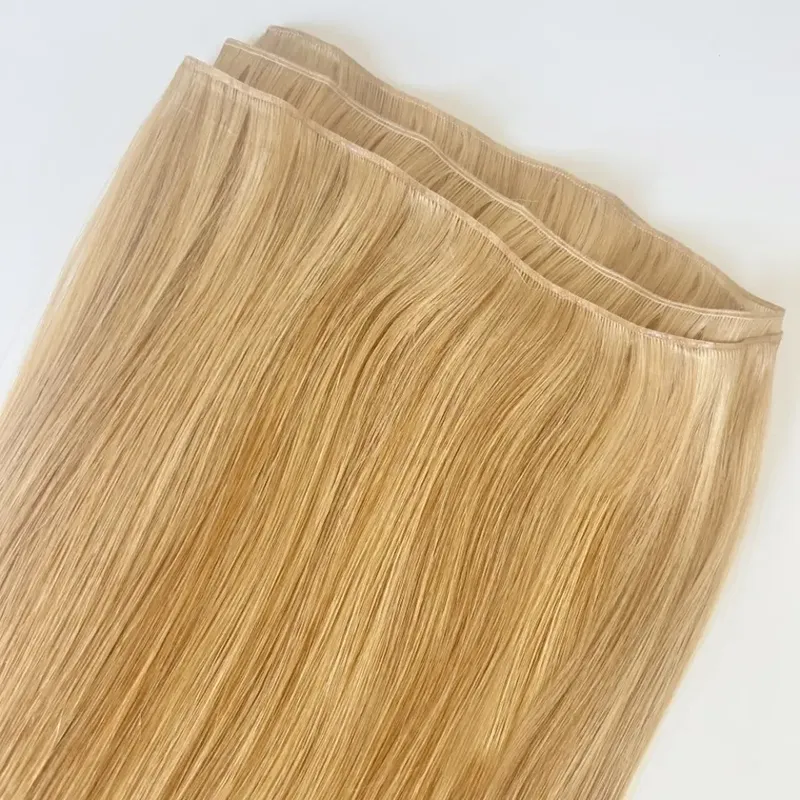
Hand-tied hair extensions work best for people with thick or coarse natural hair. Here's how it works: multiple rows of hand-tied wefts are sewn onto beaded attachment points, which usually use string or cotton yarn to keep everything secure.
Budget: $1,000+
The cost here mostly comes down to two things: the price of the hair itself and the stylist's fee for application. It's a bit pricier than tape ins, but the results are worth it for the right clients.
| Pros | They look natural and feel lightweight—wearers don't get that heavy, bulky feeling some other extensions cause. |
| Comfortable and practically undetectable; even up close, you hard to spot the tracks. | |
| Made for thick, coarse hair—they hold up well and blend seamlessly with this hair type. | |
| Clients can use oil-based products on their scalp without worrying about breaking down the bond (a big advantage over tape ins). | |
| No heat or glue is needed during application, so it's gentler on natural hair overall. | |
| Key Notes | The tension points from the beaded and sewn system can lead to hair loss if not applied correctly—traction alopecia is a real risk here, especially with long-term use.This weft need stylists’ high technique to install properly. |
| They're damaging for women with thin, fine hair or a shallow follicular funnel. The tension is too much for delicate strands to handle. | |
| Not a good fit for anyone dealing with active hair loss—this method will only make the problem worse. | |
| Stylists find this method tricky to learn because it involves sewing. Application can take several hours, which means higher labor costs for clients. | |
| If the extensions aren't washed regularly, bacteria can build up around the attachment points and cause scalp infections. | |
| Maintenance | Regular washing is a must to prevent bacteria buildup. Advise clients to avoid over-styling, as that can loosen the braids or beaded points. They can shampoo, blow-dry, curl, or straighten the extensions just like their natural hair for the best results. Also, remind them to book a maintenance appointment every 4 to 8 weeks for a “move up” to keep the extensions secure. |
Clip in hair extensions thick hair
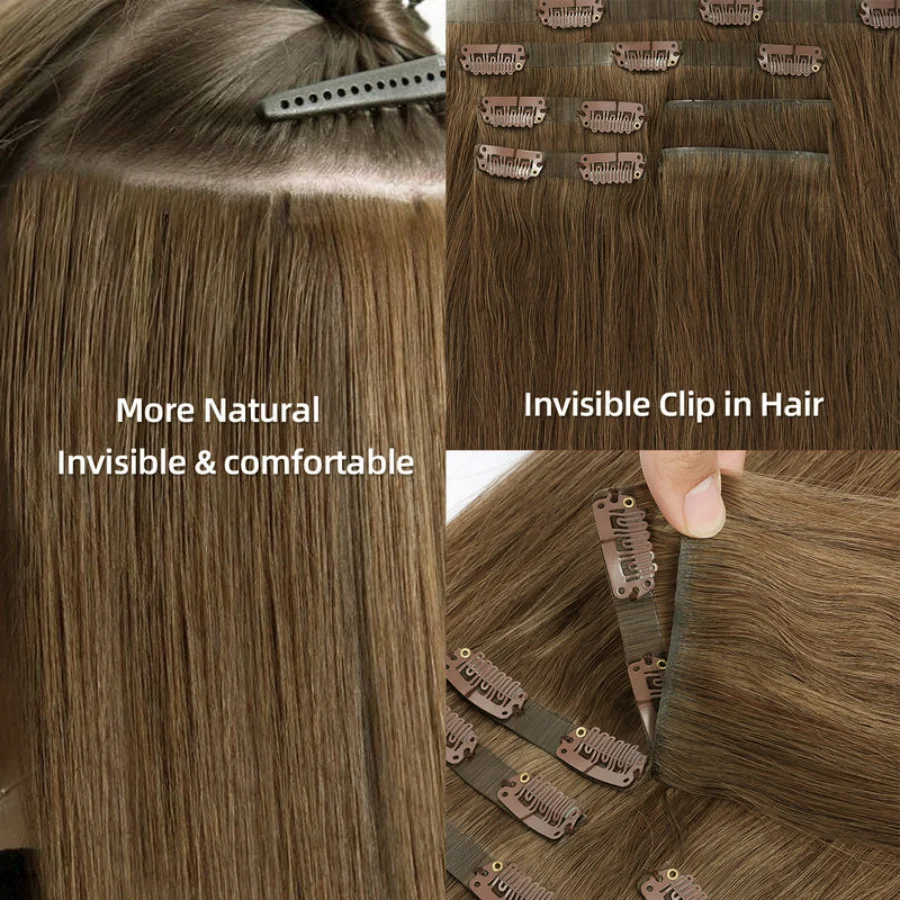
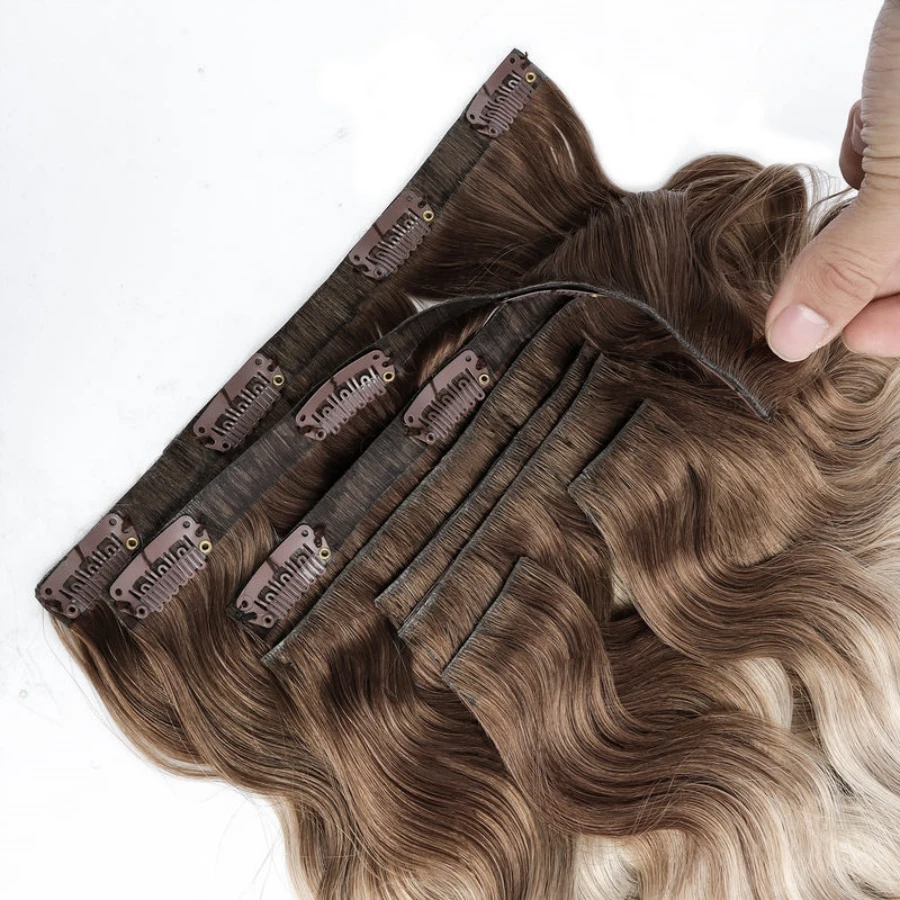
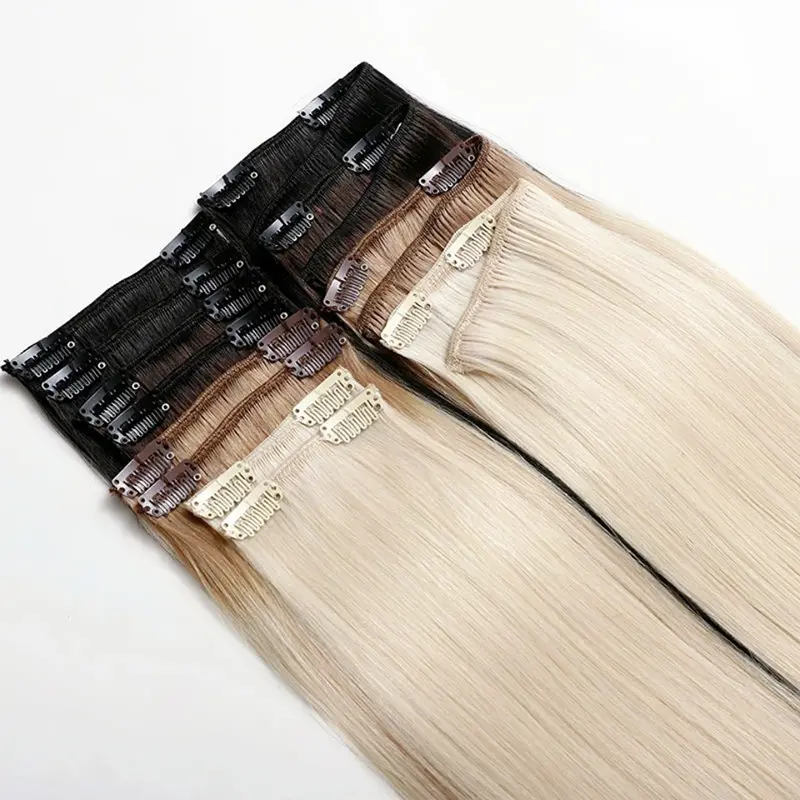
Clip in extensions are perfect for special occasions or events—here's the thing, though: they need to be taken out before bedtime, no exceptions. If a client doesn't want clips, there are also clip-less options attached with an undetectable wire—these are usually called halo hair extensions.
Budget: $150 – $600
How much clip in hair extensions cost depends on a few factors: the type of hair (human remy or human hair or synthetic E.g.clip in hair extensions 100 human hair is more expensive a lot than synthetic clip hair), the brand, the length(E.g.22 inch hair clip in extensions is cheaper than 24inch), and the weight of the hair in each set.
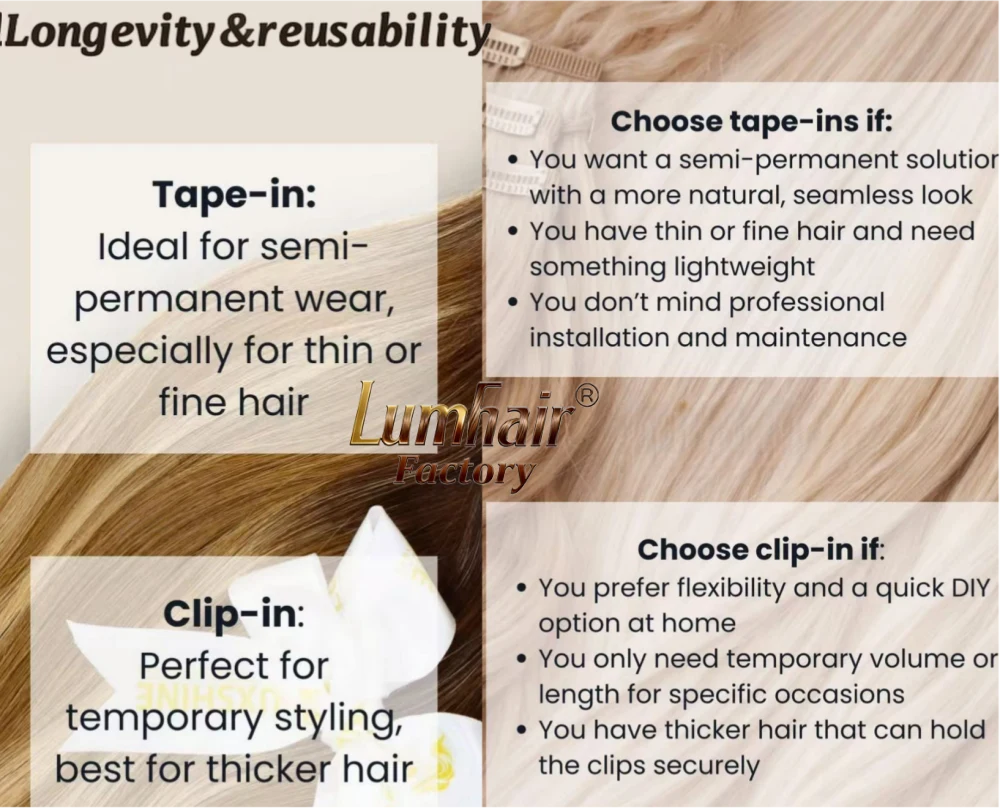
| Pros | Versatility is their biggest selling point—clients can put them in and take them out every day, depending on their look that day. |
| No long-term commitment means clients can switch up their hair color or style as often as they want, without any damage to their natural hair. | |
| Wearers can apply and remove the extensions themselves—no need to book an appointment with a licensed cosmetologist. That saves time and money. | |
| Key Notes | Clip ins can't be worn for long stretches—they have to be removed before bed. Sleeping with them causes tangling and damage to both the extensions and natural hair. |
| If clients clip them in the same spot over and over for a long time, might cause pressure for hair in the area. | |
| Not great for thin, fine hair—the clips and the base of the extensions can be a little bulky or heavy, making them a little noticeable and pulling on delicate strands.Thin Fine Hair suggest Genius Weft | |
| Maintenance | Clients should wash the extensions only when necessary. If the hair starts to feel dry or look dull, a deep conditioner will help bring back its shine. They should use a wide-tooth comb or loop brush to detangle—regular brushes can damage the wefts. Always brush the extensions before storing them, and keep them in a dark place; prolonged exposure to light will fade the hair color over time. |
Related News
- Which Weft Suits Fine Hair Better: Genius or Butterfly?
- Why Do Stylists Prefer Genius Weft for Invisible Results?
- How Does Zero Return Hair Improve Genius Weft Comfort?
- What Makes Genius Human Hair Wefts a Practical Choice for Natural, Lightweight Extensions?
- Why Are Invisible Weft Hair Extensions Becoming the Preferred Choice for Natural-Looking Hair Transformations?
- What Makes Butterfly Weft the Most Comfortable Hair Extension Method?
Leave me a message